
 Dr. Anat Avital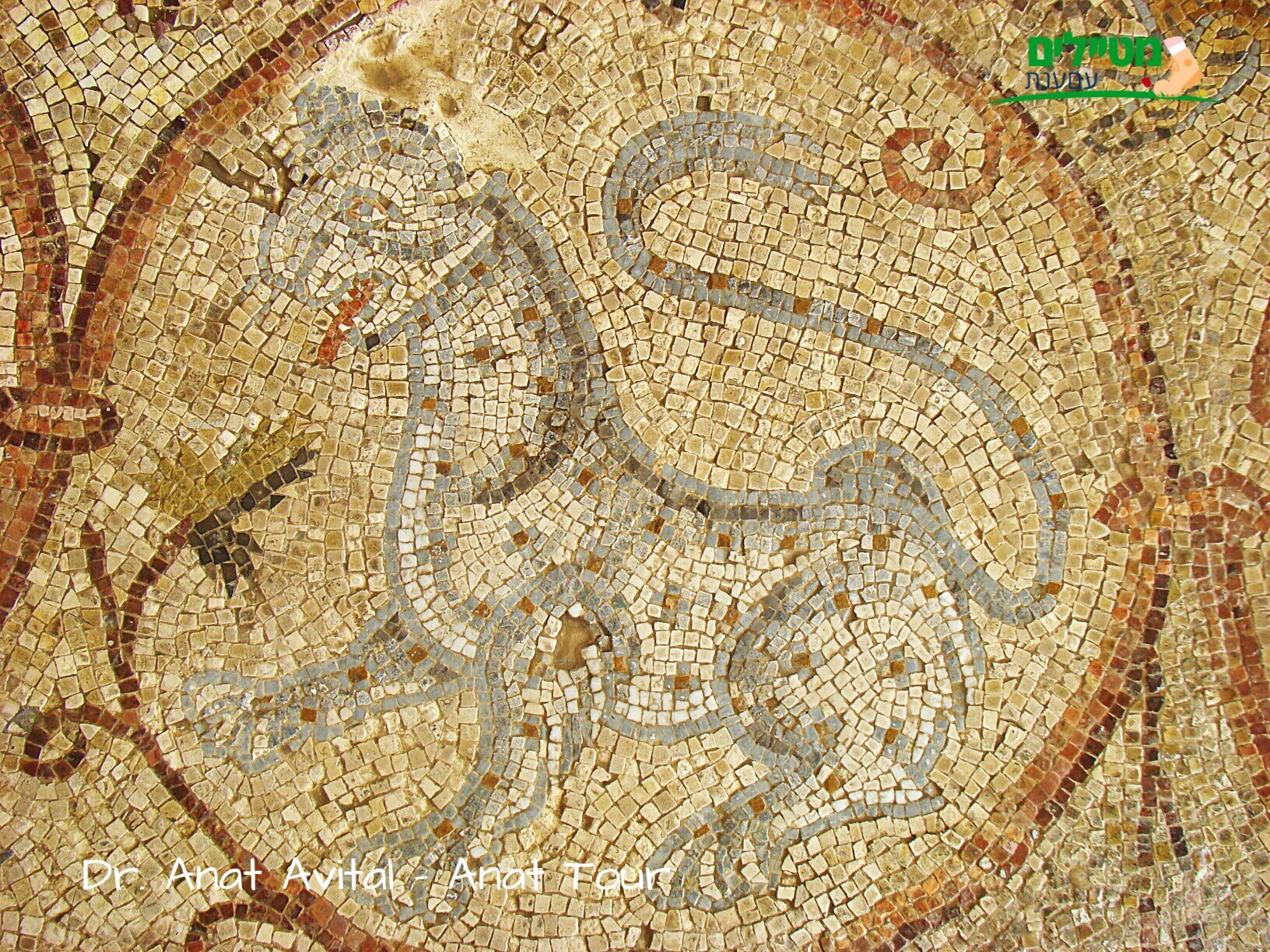
During the Roman and Byzantine periods, mosaics served as a medium for depicting the lifestyle of the building’s owners. The floors functioned as a photo album, a social network of their time, and an open book for visitors to the homes of the affluent, villas, synagogues, or churches.
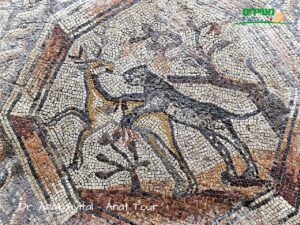
Animals were depicted with great accuracy, reflecting the financial capability of the building owners to pay for meticulous craftsmanship using small tesserae. The smaller the tesserae, the higher the image resolution, resulting in greater accuracy and increased cost.
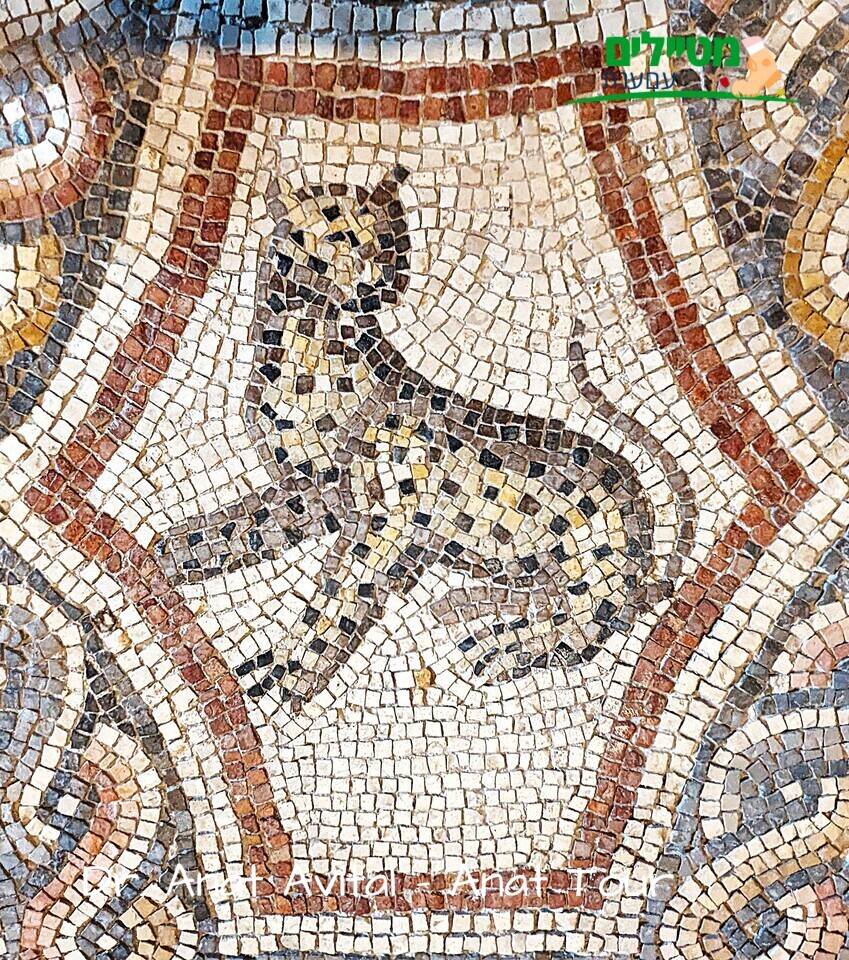
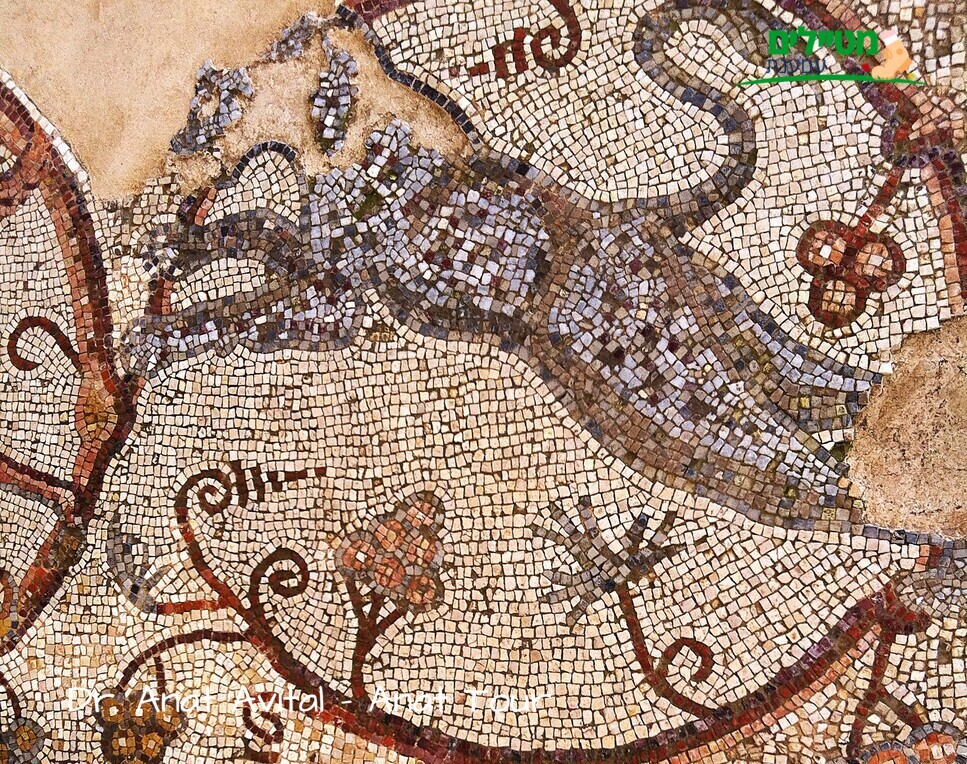
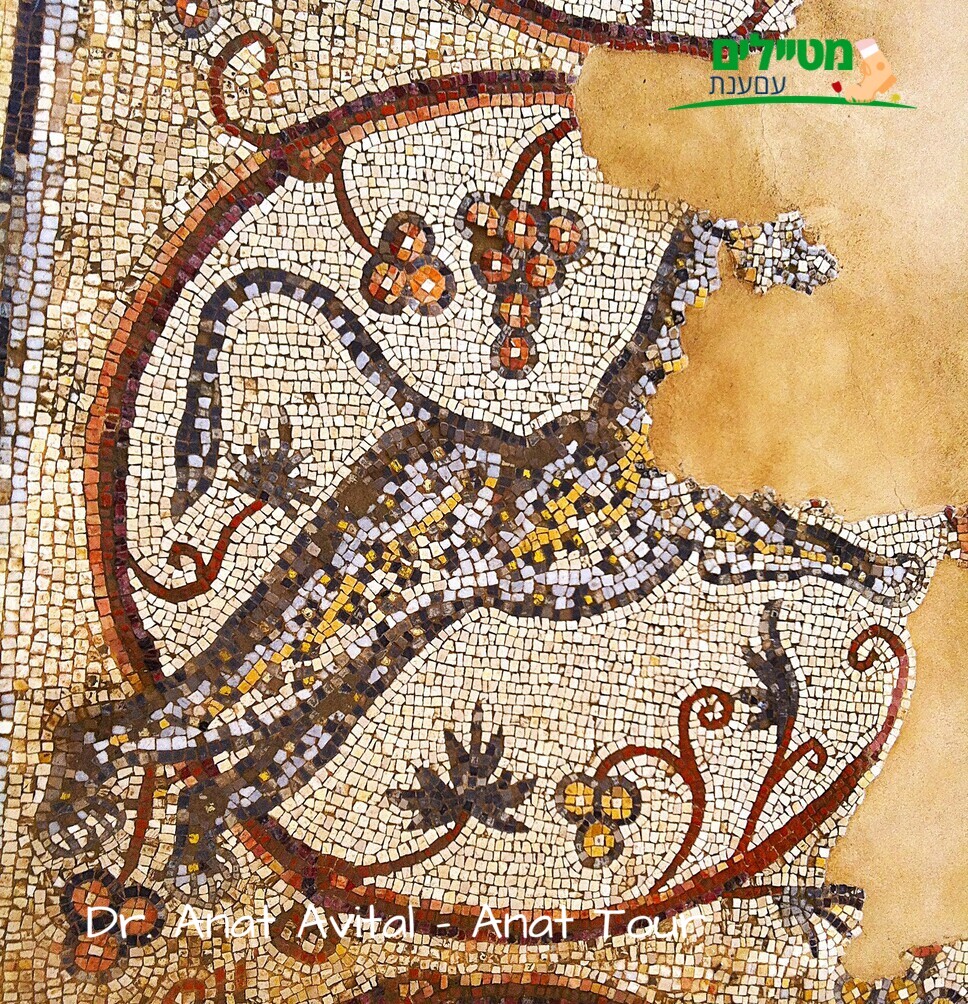
Cheetah in Mosaics
Cheetahs are depicted in four mosaics discovered in Israel:
- Lod Villa – housed in the Lod Museum at its original site
- Be’er Shema Church – currently covered and not accessible to the public
- Ancient Synagogue of Gaza – preserved at the Good Samaritan Museum
- Ancient Synagogue of Maon-Nirim – preserved at its original site
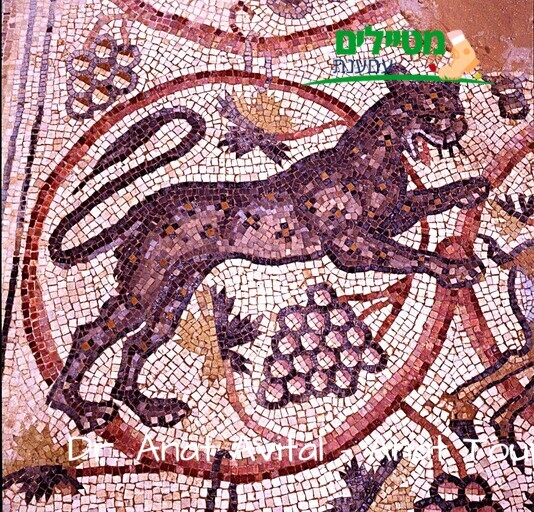
What Was the Role of Cheetahs in the Past?
- Cheetahs were displayed for decoration and prestige, kept in cages or courtyards.
- Their beautiful fur was used for rugs and clothing.
- Cheetahs participated in gladiatorial games in the arena or amphitheater.
- Cheetahs were used to hunt gazelles and foxes. Menachem Dor, in his book The Fauna in the Bible, Mishnah, and Talmud, describes how cheetahs assisted in hunting: “A cheetah was taken on horseback, and when a herd of gazelles was spotted and approached at the right distance, it was released to capture a gazelle” (p. 64).
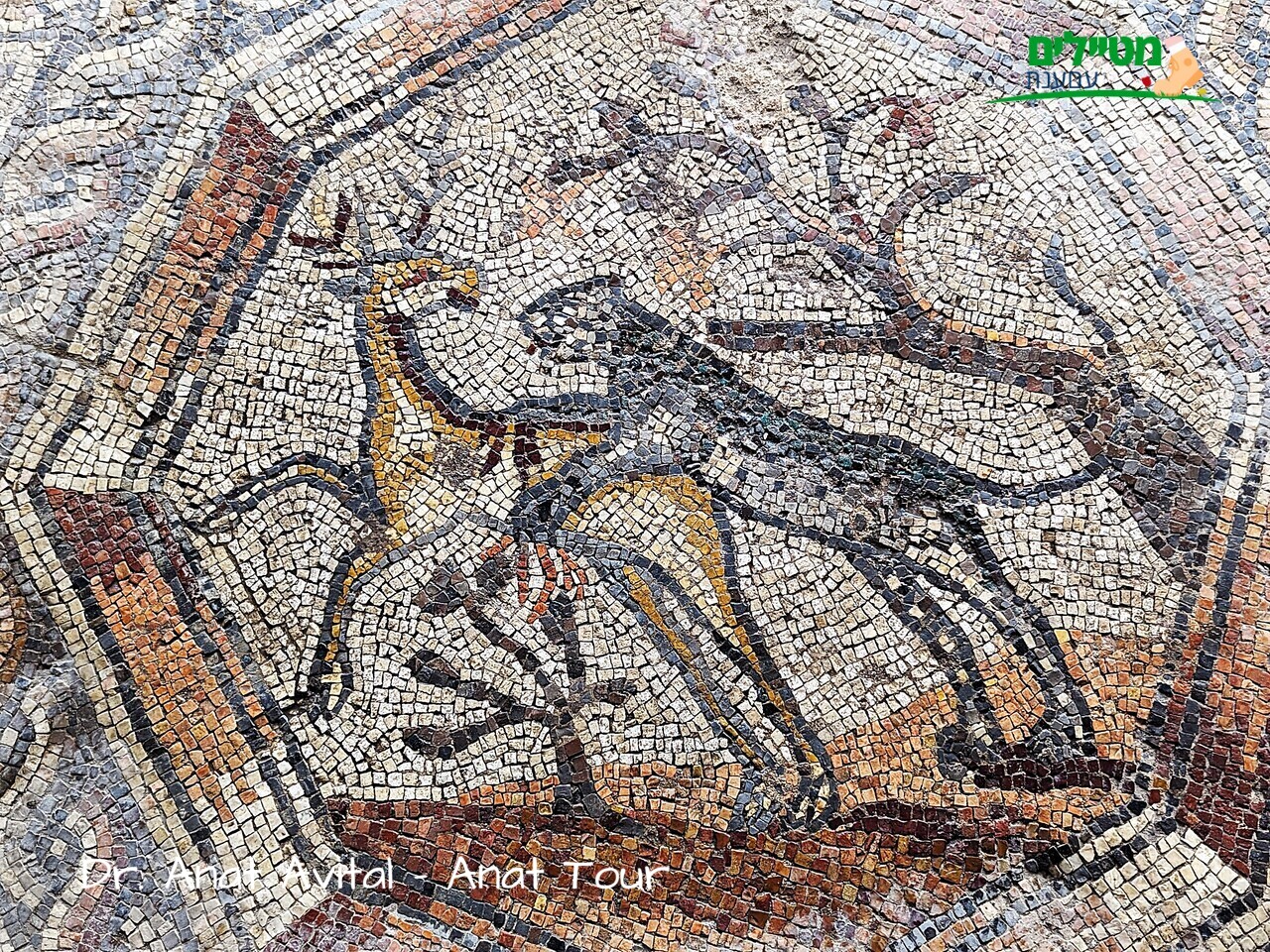
Father Schnitz noted that the cheetah was called the “hunting leopard” because it was traditionally trained, especially in India and Iran, to hunt various animals, primarily gazelles. The Dutch painter Cornelius de Bruyn, who traveled in the East in 1681, provided a detailed description of how the Pasha of Ramla used a cheetah to hunt foxes (Bodenheimer 1956).
By Tristram’s time, the cheetah was already rare but still present in different regions of the land. Some individuals were still found around Mount Tabor and the Galilean hills. Doughty (1888) mentions that the names “Fahd” and “Nimr” were given to infants as a charm against disease, especially if an older sibling had died in childhood.
Tristram received an additional cheetah skin as a gift in Umm ar-Rasas, southeast of Amman. He noted that despite its presence, it was no longer used for hunting in his time.
A small cheetah population remained in Moab until 1910-1912, where Father Schnitz obtained a specimen for his collection that had been hunted in Zarqa Ma’in by Bedouins. (Aharoni 1930) noted that Bedouins reported sightings of cheetahs in southern Israel in the early 20th century. He recounted: “In Madain Saleh (in present-day Saudi Arabia, not far from Medina), the zemer (oryx) was hunted using a nimr (Aharoni’s term for the cheetah).”


ד”ר ענת אביטל – מדריכת טיולים בכירה, חוקרת פסיפסים מהתקופות הרומית והביזנטית, ומרצה בתחומי טבע וארכאולוגיה.
בעלת מומחיות רבת־שנים, ניסיון של למעלה מ־30 שנה בהובלת קבוצות וייעוץ אישי למטיילים עצמאיים ו־ VIP בארץ ובעולם.
Dr. Anat Avital
Senior tour guide, mosaic researcher, and passionate storyteller with over 30 years of experience.
Specializing in tailor-made tours and VIP travel planning across Israel and worldwide.
Combining deep academic knowledge with warm, personal guidance – for travelers who seek meaning, depth, and unforgettable journeys.

